
2026 F1 Regulation Changes and Betting: How the Reset Reshapes the Markets
 Available in US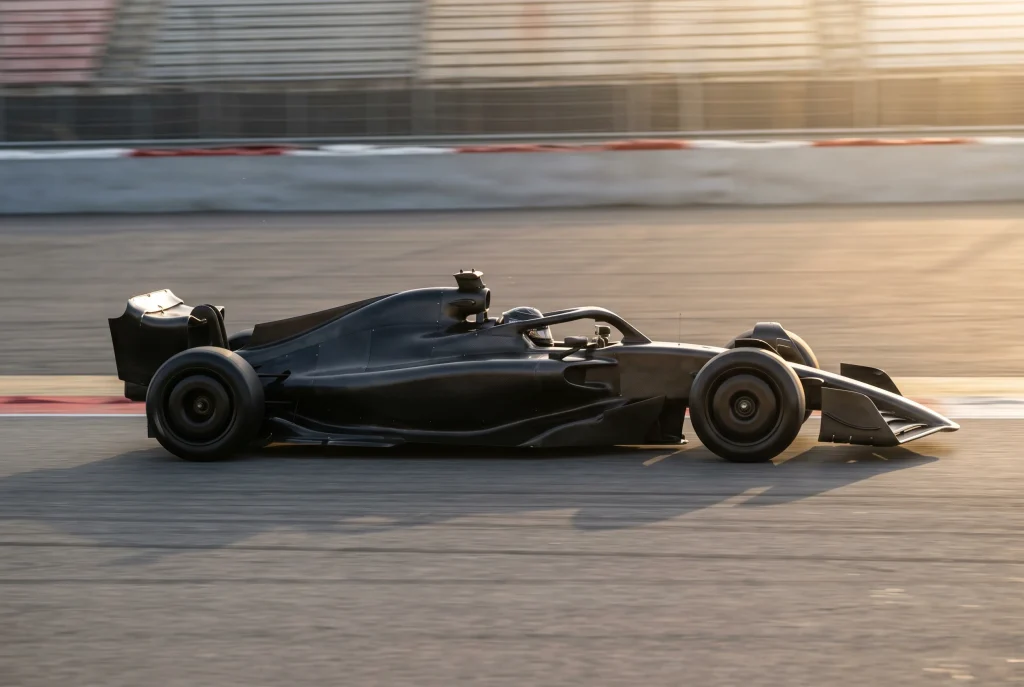
The reset is bigger than any single car
Every time F1 introduces a major regulation change, the pre-season betting markets behave like a separate sport for the first six rounds. The 2026 reset is the largest regulatory shift in over a decade — new power unit architecture, new chassis design philosophy, active aerodynamics, and a sustainable fuel mandate. The pricing on the championship favourites in March will be wrong. The pricing on the championship favourites in June will be different. The pricing on midfield drivers will move by 50% or more between rounds.
The 2026 calendar runs 24 races with six Sprint weekends. That is 30 race-format sessions to be priced — each with new car-and-engine relationships that nobody, including the operators, fully understands at the season opener. The 16.7 million UK F1 fans, with 43% under 35 and 42% women, will see a championship narrative that the bookmakers will be pricing in real time, often imperfectly.
2026 F1 Regulation Changes and Betting — More on this topic at where to bet on f1.
What actually changes — the betting-relevant headlines
The regulatory document runs to hundreds of pages. The parts that matter for betting come down to four headline changes:
- Power units shift to roughly 50% electric / 50% internal combustion split, versus the current ~25% / 75%. The deployment strategy across a lap becomes a new strategic variable.
- Active aerodynamics — drivers can deploy low-drag mode on straights and high-downforce mode in corners. The effect on lap-time models is substantial and not yet fully calibrated.
- Smaller, lighter chassis. Minimum weight drops by approximately 30 kg, with cars more agile in slow-speed sections.
- Fully sustainable fuel. The performance characteristics differ from the current blend, with implications for power-unit behaviour over a race distance.
Each change shifts the relative competitive order. A car with strong cornering downforce in the previous regulation may struggle in the new regulation; a car with strong straight-line efficiency may benefit. The betting question is which manufacturer has anticipated the changes best — and that question cannot be answered until the cars run.
Pre-season favourites — usually wrong
The historical pattern across regulation-reset seasons is that the pre-season favourite based on the previous season’s form is usually wrong. The 2014 power-unit reset produced an unexpected dominant manufacturer. The 2022 aerodynamic reset produced another. The pre-season prices reflect the previous order; the actual order reveals itself across the first six to eight rounds, by which time the prices have moved by 30% to 70% on the eventual winners.
Liberty Media’s 2025 financials reported F1 revenue at $3.9 billion (up 14%) and team payments of $946 million (up 20%). The increased team budget translates into more development resource for the regulation reset — every team has scope to surprise. Betting the pre-season market under the assumption of competitive continuity is statistically the wrong base rate.
The two angles that have worked across previous regulation resets are: holding back significant stake until the first three or four races have run, and backing midfield-priced drivers who have strong engineering organisations behind them rather than chasing the pre-season favourites at their tight prices.
The opening rounds — pricing volatility window
The first six rounds of the 2026 season will produce the largest week-to-week price movements F1 betting has seen since 2014. Each race will reveal new information about the competitive order, and operators will adjust prices aggressively as the data accumulates. The volatility creates two opportunities:
First, market overreaction to single-race results. A team winning the opening round in Australia might shorten on the championship from 6.0 to 3.0 — implying a 50% probability where the underlying single-race data justifies maybe 30%. The overreaction reverses across the next two or three rounds as the picture broadens.
Second, market under-adjustment to consistent emerging form. A team that finishes second, fourth, and second across the opening rounds — without winning — sometimes stays at 7.0 or 8.0 on the championship for longer than the form justifies. The gradual emergence of competitive form is priced more slowly than a single dramatic win.
Active aerodynamics — the variable nobody has priced yet
Active aero is the regulation change with the most uncertain pricing implication. Drivers will be able to switch between low-drag and high-downforce configurations, with the deployment governed by a system similar to the current DRS but more sophisticated and available across more of the lap.
The strategic effect on race results is unknown until the cars run. Overtaking patterns will change. The relative importance of qualifying versus race-day performance may shift — if overtaking becomes easier, qualifying matters less, and race-pace markets benefit. If active aero produces processional races where the configuration windows are predictable, qualifying matters more.
The 78% of F1 fans wanting more Sprint rounds will see six Sprint weekends in 2026, each providing a compressed test bed for the active aero in race conditions. The Sprint format produces faster data accumulation than the conventional format — three races instead of one across a Sprint weekend means the active aero behaviour becomes visible faster, with corresponding betting implications for both Sprint and main-race markets.
Manufacturer power unit — the biggest single variable
Power unit performance is historically the largest single determinant of competitive order in F1, and the 2026 regulations represent the largest power-unit change since 2014. The teams with the strongest power-unit programmes will likely dominate the early season; the teams that need a chassis development cycle to catch up will need six to twelve months to close the gap.
The bookmaker pricing in March will reflect best-guess expectations of power-unit performance, drawn largely from rumour and pre-season testing. The actual power-unit hierarchy will emerge in the first three rounds. The information gap between March and May is the prime opportunity for early-season outright bets — and the prime risk for misallocated outright bets.
The motorsport betting market projected to grow from $8.6 billion in 2023 to $22 billion by 2032 will see disproportionate flow into the 2026 season because of the regulation reset narrative. The increased liquidity will tighten pricing on the favourites once they emerge, but it will also produce more pricing extremes on the surprise contenders during the volatility window.
How I will allocate stake across the 2026 season
My allocation plan for the 2026 outright markets is roughly 20% pre-season, 50% across rounds one to eight (after the picture emerges), and 30% reserved for late-season opportunities (e.g. midfield drivers fighting for top-six championship positions). This is heavier on the mid-season window than my typical year, because the information value of waiting for the regulations to play out is higher than usual.
The per-race markets — race winner, pole position, podium finish — will be more volatile than usual across the early season. I will be smaller-staked per bet, more diversified across drivers, and quicker to take cash-out on positions that pay out faster than expected. The standard discipline applies; the variance environment is just larger.
The five questions to keep asking through the season
Three months into the season, five questions tell me whether my pre-season assumptions are still valid. Which power unit is dominant on long straights? Which chassis is dominant in high-speed corners? Which teams have shown the largest week-to-week development gains? Which drivers are extracting the most from their cars (compared to teammate)? And which circuits have produced surprising results that the market has not yet fully repriced?
See also Monaco Grand Prix Betting Strategy.
The answers to those questions will shift across rounds. The punters who track the answers and adjust their position are the ones who will profit from the regulation reset. The punters who lock in pre-season expectations and refuse to update will find their bankroll eroded by six months of being on the wrong side of the actual competitive order. For the broader context of how outright markets behave across the season, my piece on constructors championship betting in F1 covers the team-level outright dynamics that will be especially active under the new regulations.
Prepared by the Apexodd editorial staff.
